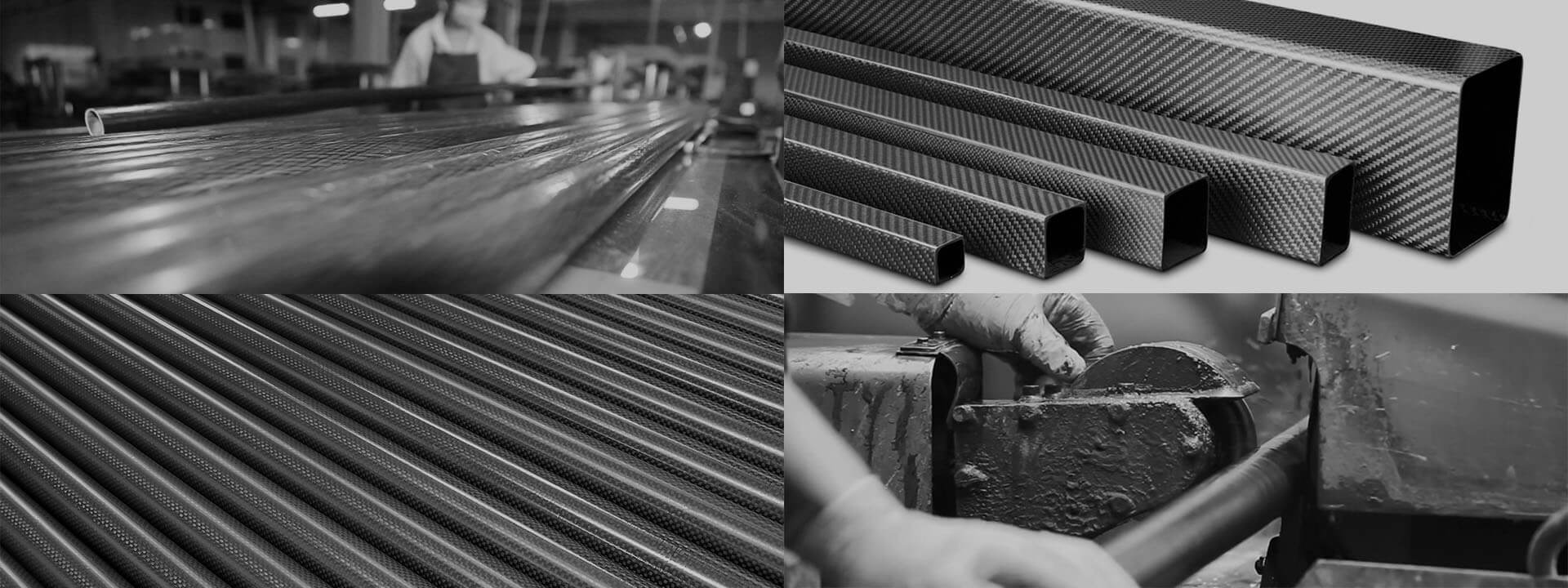
Carbon fiber – the quintessential high-performance material synonymous with strength, lightness, and technological advancement. Its applications span aerospace marvels, high-performance automotive, cutting-edge sporting goods, renewable energy infrastructure, and increasingly, consumer electronics and medical devices. However, the quality, consistency, and suitability of carbon fiber vary dramatically across manufacturers. Choosing the right partner isn’t just a procurement decision; it’s a strategic investment impacting product performance, cost, reliability, and time-to-market. This comprehensive guide delves into the critical factors for selecting the best carbon fiber manufacturer for your specific needs.
Phase 1: Define Your Requirements with Precision
Before evaluating manufacturers, you must have absolute clarity on your needs:
Performance Specifications:
Mechanical Properties: What are the exact requirements for tensile strength, tensile modulus, compressive strength, and shear strength? (e.g., T300, T700, T800, T1000, M40, M50, M60 – each Toray grade has distinct properties).
Physical Properties: Required density? Specific electrical/thermal conductivity needs?
Thermal Stability: Maximum operating temperature? Coefficient of Thermal Expansion (CTE) requirements?
Fatigue & Impact Resistance: Critical for dynamic or structural applications.
Application & Environment:
End-Use Sector: Aerospace (strictest requirements), Automotive (high-volume, cost-sensitive), Wind Energy (large structures, durability), Sporting Goods (aesthetics, impact), Consumer Electronics (thinness, EMI shielding), Medical (biocompatibility?).
Operating Conditions: Extreme temperatures? Chemical exposure? UV radiation? Humidity? Vibration? Load cycles? Regulatory environments (FAA, automotive safety standards)?
Form Factor & Processing:
Desired Intermediate Material: Are you buying raw fiber (tow)? Unidirectional Tape (UD)? Woven Fabrics (style, weave, areal weight)? Non-Crimp Fabrics (NCF)? Prepregs (resin type, cure temp, tack)? Chopped fiber? Milled fiber? Preforms?
Your Manufacturing Process: Hand layup? Automated Tape Laying (ATL)/Automated Fiber Placement (AFP)? Resin Transfer Molding (RTM)? Compression Molding? Pultrusion? Compatibility with the manufacturer’s formats is crucial.
Volume & Scalability:
Initial Volume: Prototype quantities? Pilot run?
Projected Annual Volume: How much will you need consistently? Manufacturers have minimum order quantities (MOQs) and different capacities.
Growth Trajectory: Can the supplier scale with your projected growth? Do they have the infrastructure?
Cost Targets:
Define your realistic cost per kg or per part target. Understand that aerospace-grade fiber costs significantly more than commercial-grade.
Phase 2: Evaluating Potential Manufacturers
With your requirements crystalized, assess manufacturers against these critical dimensions:
Product Portfolio & Technical Capability:
Grade Match: Do they offer the specific grade(s) meeting your performance specs? (Toray, Teijin, Mitsubishi Chemical, Hexcel, SGL, Solvay are major players with diverse portfolios).
Form Availability: Can they supply the precise form factor you need (tow, fabric, prepreg etc.)?
Customization: Can they tailor fiber sizing, tow count, fabric weave/weight, or prepreg formulation to your exact needs? This is vital for optimization.
R&D Strength: Do they invest in next-gen fibers (e.g., higher modulus, lower cost, recycled content)? Can they support your future development?
Quality & Consistency:
Certifications: Non-negotiable for many industries. Look for:
Aerospace: AS9100, Nadcap (especially for chemical processing, testing), specific OEM approvals (Boeing, Airbus, etc.).
Automotive: IATF 16949.
General: ISO 9001, ISO 14001 (Environmental).
Quality Control Systems: Rigorous in-process controls? Statistical Process Control (SPC)? Traceability (batch/lot tracking from raw material to final product)?
Testing Capabilities: Robust internal labs for mechanical, chemical, and physical testing? Do they provide comprehensive, standardized, and verifiable datasheets? Do their test methods align with industry standards (ASTM, SACMA, EN)?
Consistency: Reputation for batch-to-batch uniformity? This is paramount for reliable manufacturing.
Manufacturing Capacity & Reliability:
Scale: Can they reliably meet your current and projected volume demands? Do they have sufficient production lines?
Lead Times: What are standard and expedited lead times? Are they reliable in meeting delivery commitments?
Supply Chain Resilience: How robust is their raw material (precursor – usually PAN) supply? Geographic diversification of plants? Business Continuity Planning? (Past disruptions, like factory fires, highlight this risk).
Location & Logistics: Proximity to your facility? Impact on shipping costs and time? Warehousing capabilities?
Cost Structure & Value:
Pricing Transparency: Clear pricing models? Understand factors affecting cost (grade, form, volume, customization).
Total Cost of Ownership (TCO): Look beyond $/kg. Consider:
Scrap rates influenced by fiber quality/consistency.
Ease of processing (good sizing reduces defects).
Performance allowing potential material reduction.
Shipping costs.
Technical support reducing development time/cost.
Volume Discounts: Structure for higher volumes?
Technical Support & Partnership:
Application Engineering: Do they offer dedicated technical support? Expertise in your processing method and application area? Can they help troubleshoot issues or optimize design?
Design Collaboration: Willingness to collaborate early in the design phase for material selection and manufacturability?
Responsiveness: How quickly and effectively do they address inquiries and problems?
Knowledge Sharing: Access to technical data, processing guides, design tools?
Sustainability & Ethics:
Environmental Impact: Energy consumption in production? Water usage? Waste management? Emissions? Commitment to reducing footprint? (Increasingly important for OEMs and end consumers).
Recycled Content: Development or offering of recycled carbon fiber (rCF) solutions?
End-of-Life Solutions: Involvement in recycling initiatives?
Ethical Sourcing: Adherence to responsible labor practices and supply chain ethics?
Phase 3: Due Diligence & Selection
Request Information & Quotes (RFI/RFQ): Provide detailed specifications. Ask specific questions about capabilities, certifications, testing protocols, and lead times.
Review Datasheets Critically: Scrutinize test data, conditions, and standard deviations. Compare like-for-like.
Request Samples: Test samples in your processes and under your conditions. This is vital validation.
Audit Facilities (If Feasible): Especially for high-volume or mission-critical applications. See their operations, QC labs, and talk to their teams firsthand. Verify certifications.
Check References: Talk to existing customers in similar applications. Ask about reliability, quality consistency, support, and problem resolution.
Evaluate Financial Stability: A financially shaky supplier is a significant risk.
Consider the Partnership: Choose a manufacturer that acts as a true partner, invested in your success, not just a vendor.
Key Considerations by Application Sector:
Aerospace & Defense: Prioritize top-tier manufacturers (Toray, Hexcel, Teijin, Solvay) with AS9100/Nadcap, impeccable traceability, highest consistency, OEM approvals, and advanced technical support. Cost is secondary to performance and certification.
Automotive (High-Performance/EV): Balance high performance (T700S, T800S grades) with cost. Require IATF 16949. Scalability and reliable high-volume supply are critical. Partnerships for co-development are common.
Wind Energy: Focus on cost-effective commercial grades (T300 equivalents), high durability, fatigue resistance, and consistent supply for large structures. Quality certifications (ISO) remain essential.
Sporting Goods: Aesthetics (spread tow, specific weaves) can be as important as performance. Blend of good mechanical properties, consistency, and cost-effectiveness. Often use T700 or similar grades.
Industrial/Consumer: Cost is often the primary driver. Commercial grades dominate. Scalability, form availability, and basic quality consistency are key.
Beyond the Giants: The Role of Regional & Specialized Suppliers:
While the “Big 4” (Toray, Teijin, Mitsubishi Chemical, Hexcel) dominate, consider:
Regional Players: Companies like SGL Carbon (strong in Europe), Formosa Plastics Corp., Hyosung, Kureha (precursor) offer competitive alternatives, sometimes with logistical advantages.
Recycled Carbon Fiber (rCF) Specialists: Companies like ELG Carbon Fibre, Vartega, Shocker Composites focus on sustainable solutions if rCF meets your performance needs.
Specialty Niche Players: Some focus on unique weaves, custom prepregs, or very specific high-modulus fibers.
Conclusion: A Strategic Imperative
Selecting the best carbon fiber manufacturer is a complex, multi-faceted decision demanding rigorous analysis. There is no single “best” for everyone. The optimal choice hinges on a deep understanding of your specific technical requirements, application demands, volume needs, cost constraints, and risk tolerance.
Prioritize manufacturers with a proven track record of quality, consistency, and reliability aligned with your industry’s standards. Value technical expertise and responsive support. Evaluate total cost of ownership, not just price per kilo. Assess supply chain resilience and scalability. Increasingly, factor in sustainability credentials.
Invest the time upfront in thorough research, sampling, and due diligence. Building a strong partnership with the right carbon fiber manufacturer is foundational to unlocking the full potential of this remarkable material and ensuring the success, performance, and competitiveness of your products in the marketplace. Choose wisely – your product’s integrity depends on it.